Direct answer: Understand cycle-life ratings, calendar ageing, depth of discharge, heat, storage, and when a battery may need replacement.
Editorial note: WhichWatts is an independent comparison site. Prices, availability, specifications, and retailer promotions change frequently. Check the live product table and retailer page before buying.
How Long Do Portable Power Station Batteries Last?
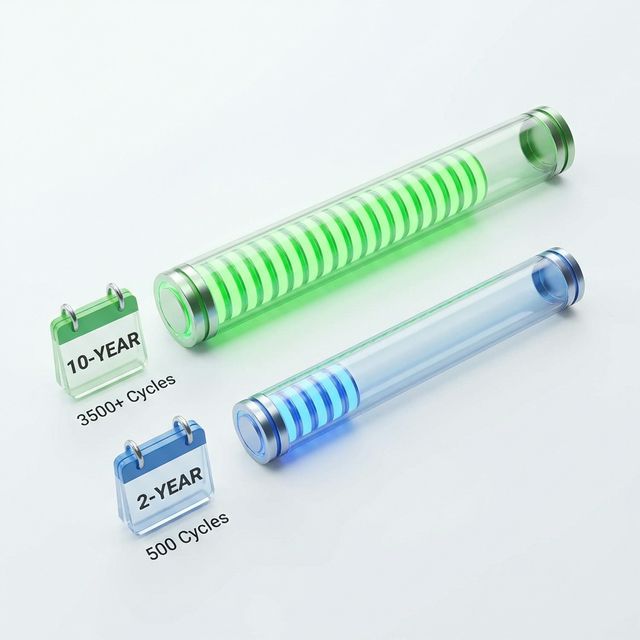
There is no single replacement date for every portable power station. Battery life depends on chemistry, cycle count, depth of discharge, temperature, storage state, load, charging pattern, and the manufacturer’s test definition. A cycle-life rating normally means the battery is expected to retain a stated percentage of its original capacity after a stated test; it is not a timer that makes the station fail on that cycle. Compare the end-of-life threshold and test conditions before comparing cycle numbers.
LiFePO4 models are commonly selected for frequent cycling, but chemistry alone does not predict a product’s lifespan. Record the exact model’s rating, end-of-life capacity threshold, depth of discharge, load, temperature, and test duration. Calendar ageing continues while a station sits unused, and heat, deep discharge, and unsuitable storage can accelerate capacity loss. A product with a longer claimed cycle life may still be the wrong choice if its service path or recharge limits do not fit your use.
When might replacement be appropriate?
Look for materially reduced runtime, unexpected shutdowns, charging faults, swelling, unusual heat, or error codes. Stop using damaged equipment and contact the manufacturer; do not open or rebuild a sealed lithium power station yourself. If the battery is user-replaceable, follow the approved part and procedure. Otherwise, ask about service, recycling, or whole-unit replacement. Keep a record of the model, firmware, purchase date, usage pattern, and measured runtime so a warranty claim has useful evidence.
For storage, follow the manual’s state-of-charge and temperature instructions, keep the unit cool and dry, avoid blocking ventilation, and periodically check that it still charges and powers a non-critical test load. Do not use a damaged battery for critical backup. The DOE’s solar and storage basics provides useful context on energy storage systems. See the US comparison chart to compare the exact chemistry and cycle-life fields where the manufacturer has supplied them, but verify each claim against the current product manual and warranty.