Batteries and solar, explained

The questions we get asked most, answered without the sales pitch. Each page covers one topic in full and tells you where the numbers come from.

Want prices instead of theory? Compare every model by cost per watt-hour.

Battery basics
Battery Types Explained: LiFePO4, Lithium-Ion, Lead-Acid and Solid-State

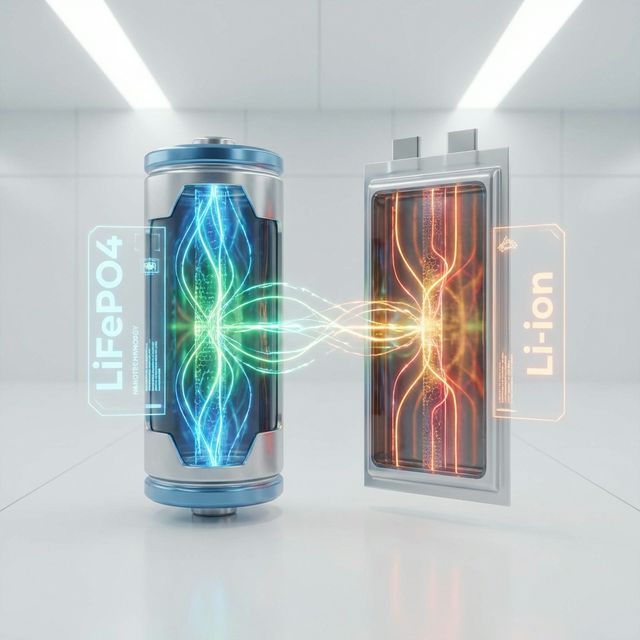
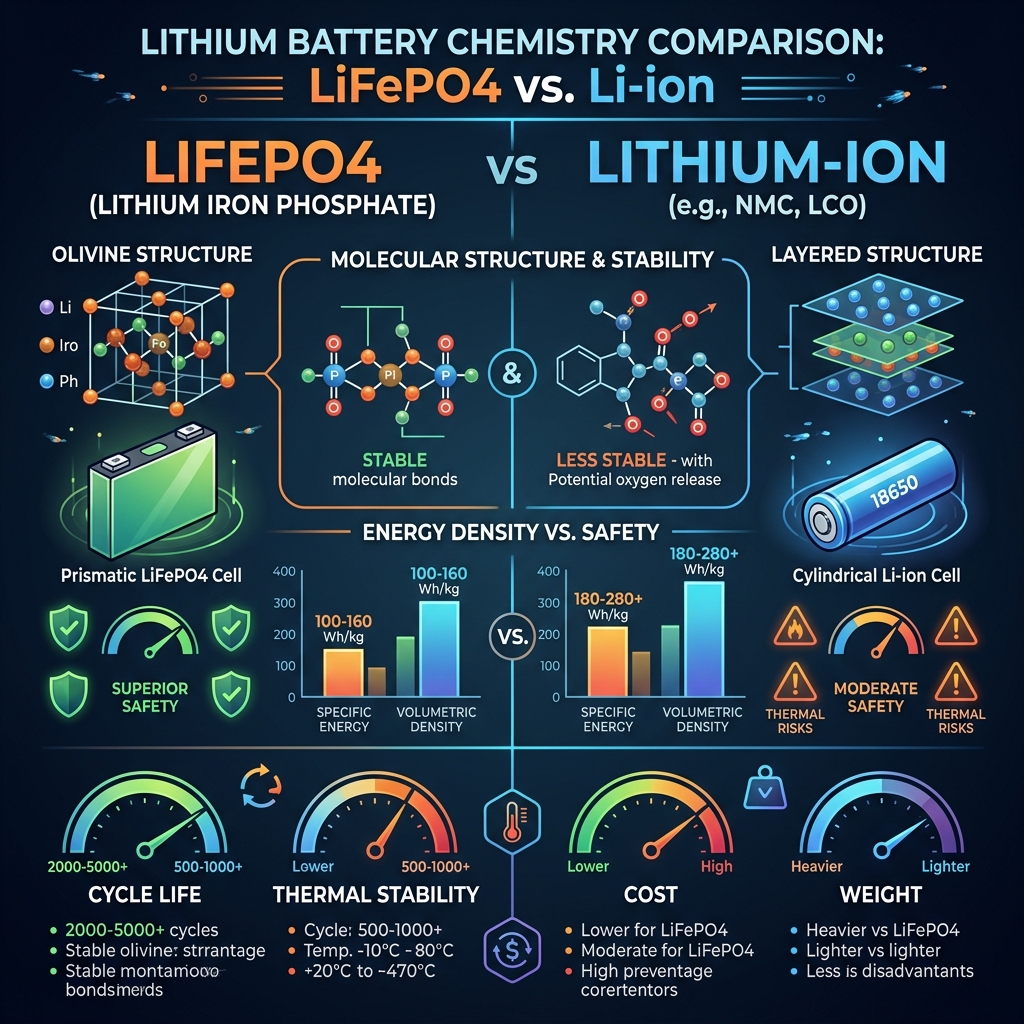
A battery stores energy chemically and releases it as electricity. For portable power and home backup, four chemistries matter most: LiFePO4, lithium-ion (NMC/NCA), lead-acid, and the emerging solid-state family. LiFePO4 is the default for modern power stations because it lasts longer and is more thermally stable; NMC is lighter; lead-acid is cheaper upfront but heavy and short-lived.

October 25, 2026
Battery basics
Lithium-Ion Battery: How It Works, Types, Lifespan and Cost

Lithium-ion batteries move lithium ions between an anode and a cathode to store and release energy. The cathode chemistry determines the trade-offs: NMC and NCA offer high energy density, LFP offers long cycle life and thermal stability, and LTO offers extreme cycle life at low density. For portable power stations, LFP and NMC cover almost every product worth comparing.

October 25, 2026
Battery basics
LiFePO4 Battery (LFP): Cycle Life, Safety, Cost and Trade-offs

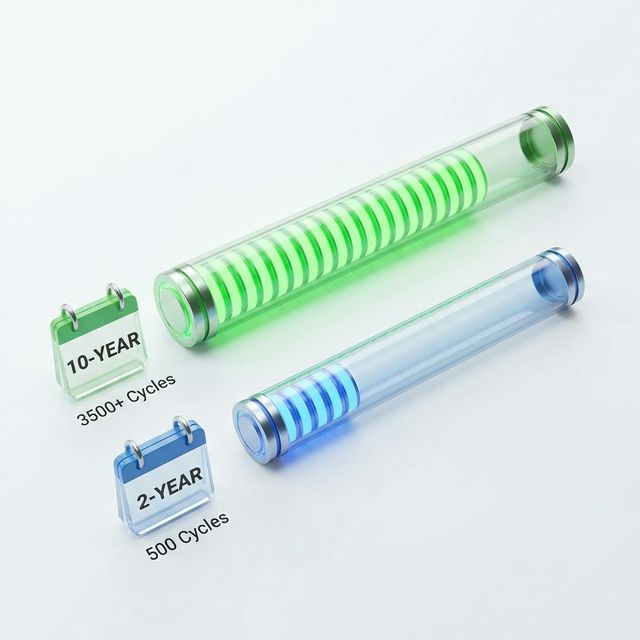
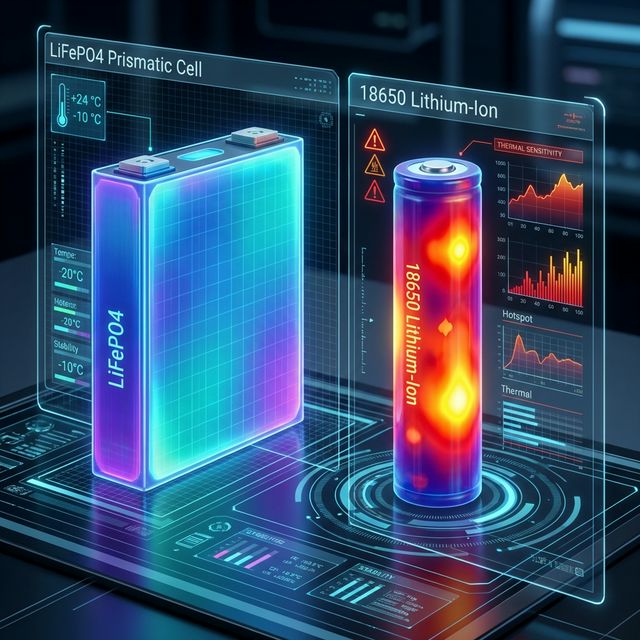
LiFePO4 is a lithium-ion chemistry that uses an iron-phosphate cathode. It typically offers 3,000–5,000 manufacturer-rated cycles, better thermal stability than NMC, and a lower median cost per watt-hour in the current WhichWatts catalog. The trade-offs are weight, cold-weather charging limits, and slightly lower energy density.

October 25, 2026
Battery basics
Battery Capacity Explained: Wh, Ah, kWh and Usable Capacity

Battery capacity is the amount of energy a battery can store, usually measured in watt-hours (Wh) or kilowatt-hours (kWh). Nameplate capacity is not the same as usable capacity: depth of discharge, inverter efficiency, temperature, and aging all reduce the energy you can actually draw. To size a system, add up your loads in watts, multiply by hours, and add a 20% buffer.

October 25, 2026
Battery basics
Solid-State Batteries: What They Are, Advantages and When They Arrive

A solid-state battery replaces the liquid or gel electrolyte in a lithium-ion cell with a solid one. The promise is higher energy density and better thermal safety; the remaining problems are interface resistance, manufacturing yield, and cost. As of October 2026, solid-state cells are in automotive development and limited production, not in mainstream portable power stations.

October 25, 2026
Battery applications
Solar Battery Storage: How It Works, Sizing and Costs

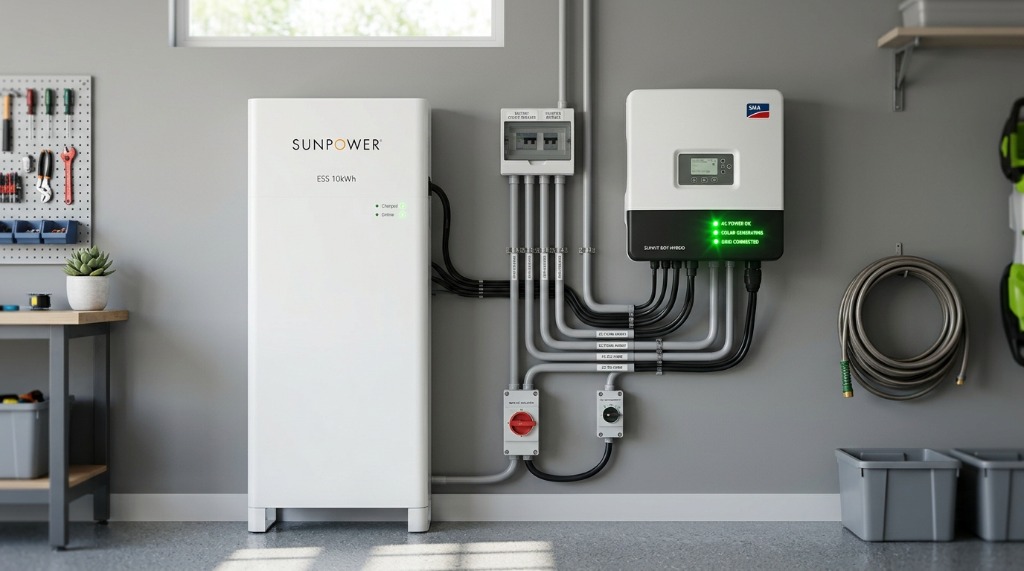
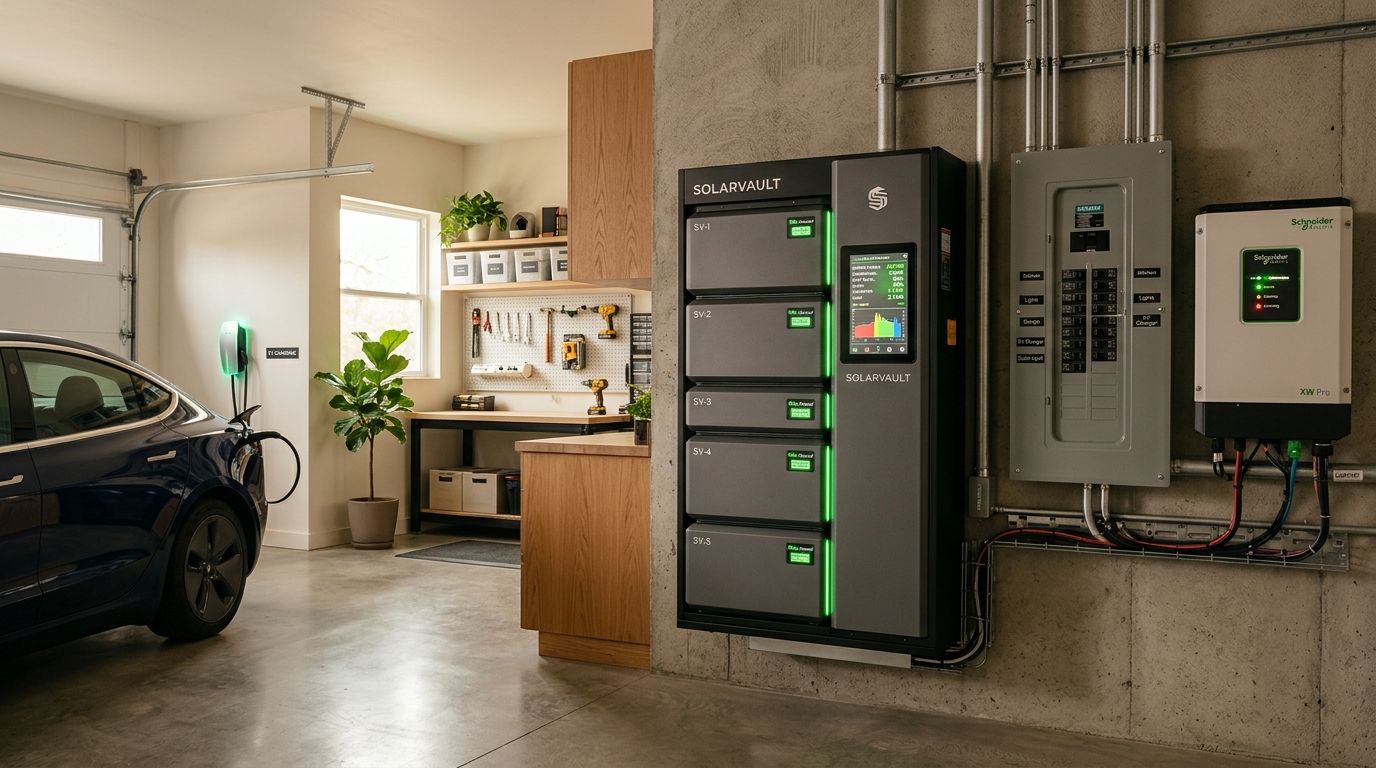
Solar battery storage saves excess solar generation for use at night or during an outage. Size it from daily kWh and the loads you want to back up, not from panel wattage alone. Lithium systems typically round-trip 85–90% of the energy; LFP is the dominant chemistry for new home storage.

October 25, 2026
Battery applications
Battery Backup: How to Size a System for Home Outages

A battery backup runs selected loads during an outage. Size it from the essential loads you need, multiplied by the hours you need them, plus a buffer for efficiency, surge, and aging. Portable stations are plug-and-play but limited; fixed systems need a transfer switch or critical-load panel and a qualified installer.

October 25, 2026
Solar basics
Solar Panel Types: Monocrystalline, Polycrystalline, Bifacial and Flexible

Most solar panels sold today use crystalline silicon. Monocrystalline panels usually deliver the most power per square metre; polycrystalline panels are older and often cheaper; bifacial panels add rear-side yield; flexible and thin-film panels trade efficiency for weight and mounting flexibility. For a portable power station, the panel voltage and current limits matter as much as the wattage.

October 25, 2026
Solar applications
Off-Grid Solar System: Components, Sizing and Costs

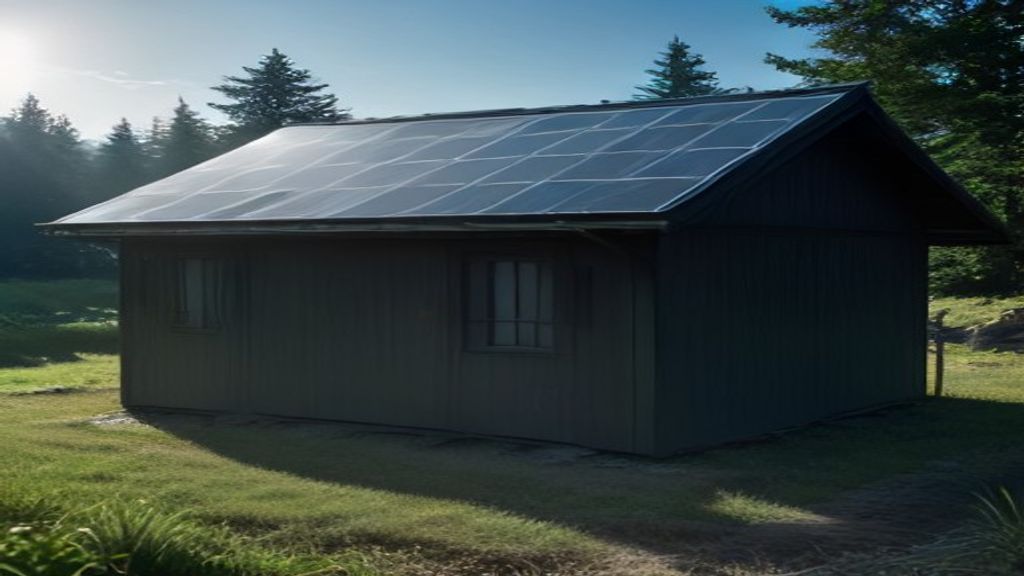
An off-grid solar system generates, stores, and delivers all the electricity a site uses. It needs panels, a charge controller, a battery bank, an inverter, and appropriate safety equipment. Size it from daily kWh and days of autonomy, then size the array to recharge the battery in the worst realistic month, not from panel wattage alone.

October 25, 2026
Solar components
Solar Inverter Guide: String, Micro, Hybrid and Off-Grid

A solar inverter converts DC electricity from panels or batteries into usable AC power. String inverters are the usual choice for unshaded roofs, microinverters handle shade and panel-level monitoring, hybrid inverters add battery and backup capability, and off-grid inverters run without a utility connection. Match the inverter to the array, the battery, and the loads, not just the wattage label.

October 25, 2026

Best value power stations right now

Three of the lowest cost-per-watt-hour models in the live US catalog. Prices change daily.

Retailer links are affiliate links. WhichWatts may earn a commission; the shortlist is ranked by cost per watt-hour, not by commission.

Original data

Battery Price Index

The median US price per watt-hour for portable power stations, split by chemistry, capacity band and brand. Rebuilt from the live catalog, with a monthly history and a CSV download.

Open the index